
Somewhere between the third planner website and the fourth discovery call, most couples hit the same wall. Every wedding planner in Dallas seems to offer some version of full-service, partial, and month-of, the names sound close enough to be interchangeable, and the descriptions underneath them tend to blur into the same promises about stress-free planning and a calm wedding day. You can tell the packages are different. You just cannot tell which one is supposed to be yours.
We wrote a while back about what a wedding planner actually does, and this is the question that almost always comes right after it. Once couples understand the job, they want to know how much of it they actually need to hire out. So here is the plain-English version, the one we walk through on our own consultation calls, including the parts that a planner trying to sell you the biggest package would probably leave out.
The one question that sorts it out
Before you look at a single price, answer this honestly: how much of the planning do you want to carry yourself, and how much of it do you want carried for you?
That question matters more than your budget, more than how organized you are, and more than whether you have a Pinterest board with four hundred pins on it. We have worked with wildly organized couples who wanted full-service planning because their calendars were already full of jobs, moves, and graduate programs, and we have worked with couples on tighter budgets who were perfectly happy running every vendor call themselves and only needed someone to take the wedding day off their shoulders. Neither of them chose wrong. They chose based on where their time and energy actually were, which is the only honest way to choose.
Every package below is really just a different answer to that one question.
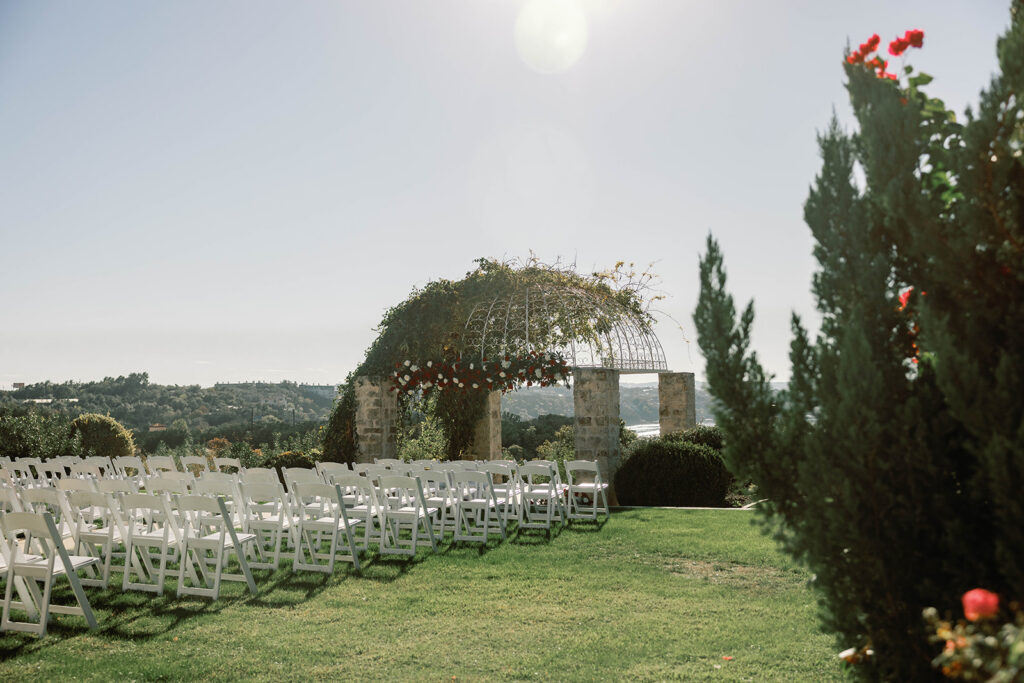
Full-Service Planning (starting at $8,000)
Full-service planning means we are with you from the early stages all the way through the last song. That includes budget oversight, vendor recommendations and booking, design development, contract review, the timeline, the floor plan, and every moving piece of the wedding day itself. If you hand us a date range, a rough guest count, and a feeling you want the night to have, full-service is the version where we build everything else around that with you.
Who it fits. Couples who are early in the process, ideally before the venue is booked, and couples whose lives are already full. Most of the people who book our full-service planning are not disorganized, they are busy, and they would rather spend the year enjoying their engagement than learning which rental company tends to deliver chairs late. It is also the right fit for couples with a strong design vision who do not have the vendor relationships to make it real, because knowing you want a candlelit room with heavy greenery and navy silk linens is very different from knowing which florist, rental house, and lighting team can deliver that in a specific Dallas ballroom on a specific Saturday in October.
The honest part. This is the largest investment of the three, and we will not pretend otherwise. Where it tends to pay for itself is in the decisions made early, when the stakes are highest. The venue shapes almost every decision that follows it, and a planner who is in the room for that choice can save you from booking a space that photographs beautifully but cannot comfortably hold your guest count, or from signing a rental order that duplicates what the venue already includes. Those mistakes rarely show up on a spreadsheet until they are expensive to undo.
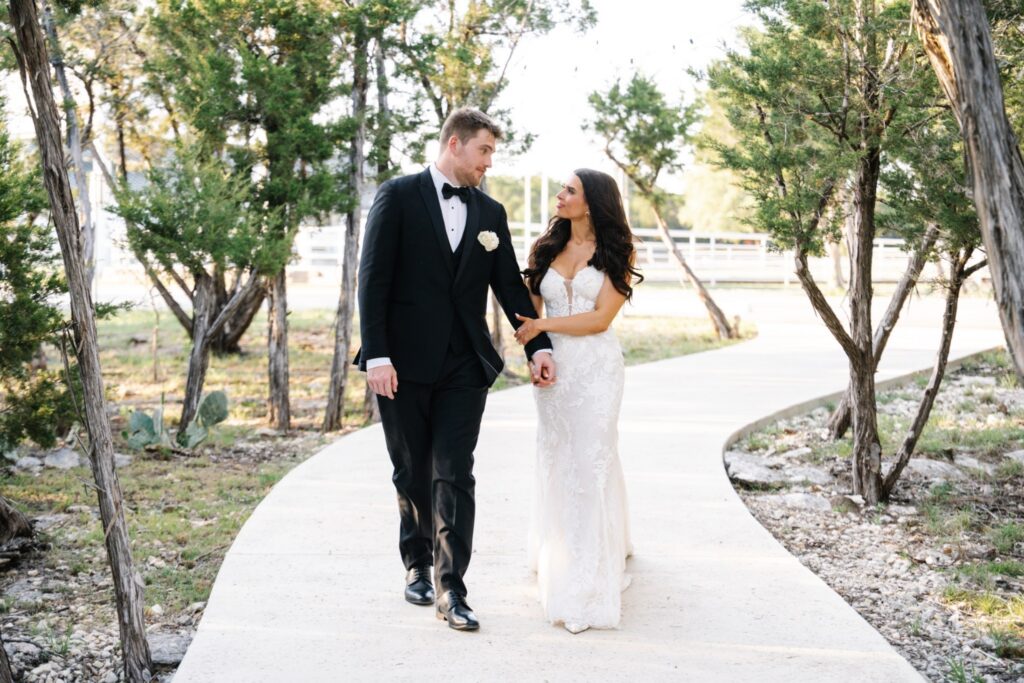
Partial Planning (starting at $5,000)
Partial planning is for couples who have already started building the wedding and want an expert in the specific areas where they feel stuck. You choose where you want us, whether that is vendor selection, design direction, or both, and we step back in fully as the wedding gets closer to finalize every detail and run the day itself.
Who it fits. Couples who have booked their venue and maybe a vendor or two, who genuinely enjoy certain parts of the planning process, and who have a clear sense of the gaps they do not want to fill alone. A couple who loves researching photographers but has no idea how to turn a mood board into a floral and rental plan is a classic partial planning client. So is the couple who has every vendor booked and simply wants someone with design experience to make the room feel like one cohesive story instead of a collection of separate decisions.
The honest part. Partial planning works best when you are realistic about what you will actually do yourself. The version that goes sideways is the one where a couple books partial planning to save on the fee, then quietly hands over more and more of the process as the months go on, because work and life got heavier than expected. That is not a failure, it happens, but it is worth asking yourself on the front end whether you are choosing partial because it fits how you want to plan, or becau

Month-Of Coordination (starting at $2,500)
Month-of coordination is for couples who have planned their wedding themselves and need a professional team to execute it. We start eight weeks before the wedding, review every vendor contract, finalize the timeline, floor plans, and logistics, and then manage the vendors, the timeline, and the setup on the wedding day so that you and your family are not the ones fielding questions from the caterer at four o’clock.
Who it fits. Couples who have loved planning and want to see their own work through, but who understand that nobody should be running their own wedding day. It is also a smart choice for couples whose vendor team is already booked and strong, and who mainly want confidence that everyone shows up at the right time, in the right place, with the same information.
The honest part. The name is a little misleading, and most planners will tell you the same thing. Nobody can coordinate a wedding well after meeting you thirty days out, which is why our coordination starts at eight weeks instead. That runway gives us time to read every contract, catch the gaps, and walk the venue before the details are locked. What coordination is not designed to do is redesign a wedding. If we find something significant at eight weeks out, a vendor booked for the wrong scope or a timeline that simply does not work in that venue, we will fix what can be fixed, but the options are narrower than they would have been six months earlier. If you suspect you want more input than that, it is worth having that conversation sooner rather than later, and our guide on how far in advance to book a wedding planner breaks down the timing for each level.
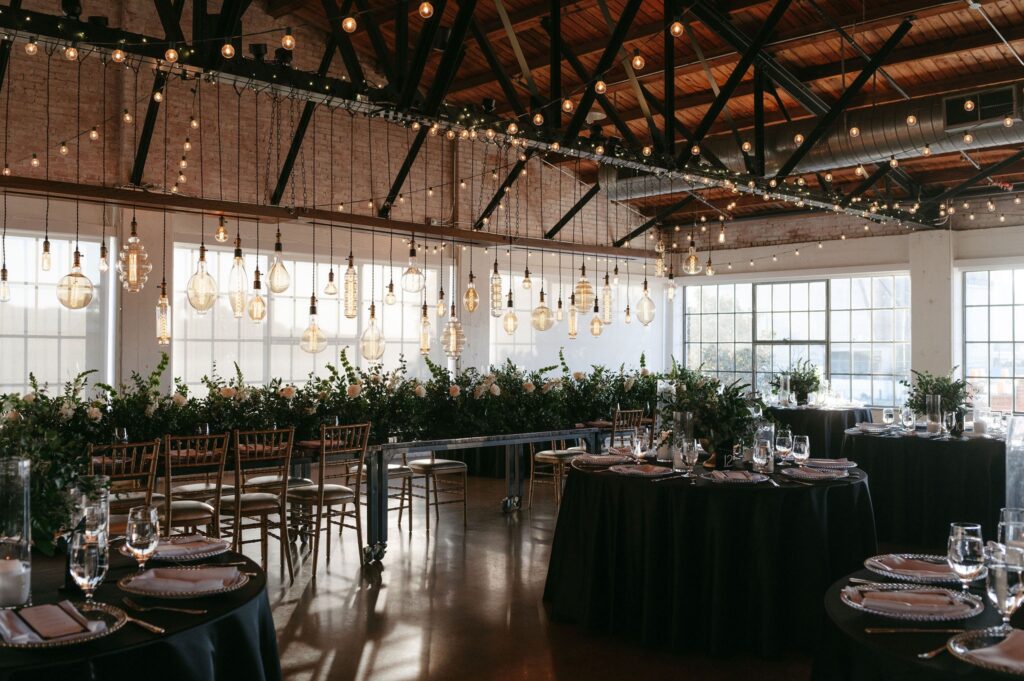
What stays the same no matter which package you choose
Every couple we work with, at every level, gets access to a custom planning dashboard with budget tracking, design resources, and planning checklists, so nothing lives in a scattered email thread or a notes app you cannot find on a Thursday night. And every couple gets the same team on the wedding day. A smaller package means a smaller scope of work, with the same people and the same standards behind it. We describe ourselves as human first and wedding planners second, and that does not change based on which line of the pricing page you landed on.
A few signals that tell you which one is yours
If you are still unsure after reading all three, these are the patterns we notice most often on consultation calls.
You have not booked a venue yet and the idea of choosing one feels overwhelming. That almost always points to full-service. The venue is the decision with the most consequences attached to it, and it is the one where outside experience helps the most.
You have your venue, you have opinions, and you have one or two areas where you keep stalling. That is partial planning territory, especially if the place you keep stalling is design, since that is where an outside eye tends to make the biggest visible difference.
You have booked every vendor, you have a spreadsheet you are proud of, and what you want most is to be a guest at your own wedding. Month-of coordination was built for you.
You keep thinking about the budget before you think about your time. Spend a minute on the second one anyway. Choosing a package purely on price and then needing to upgrade a few months later usually costs more than choosing the right level the first time. If budget is the real constraint, our breakdown of where to spend and where to save on a Dallas wedding is a good place to see how planning fits alongside everything else.
Frequently asked questions
What is the difference between full-service and partial wedding planning? Full-service planning covers the entire process, from budget and venue selection through design, vendor booking, and the wedding day itself. Partial planning starts after you have done some of the work, usually after your venue is booked, and focuses on the specific areas you want help with before we step back in fully to finalize the details and run the day.
Is month-of coordination enough? For couples who have planned thoroughly, booked strong vendors, and feel confident in their design, it often is. It is not enough if you are hoping for help making decisions you have not made yet, because coordination is built to execute a plan rather than create one.
How much does a wedding planner cost in Dallas? At Eventfully Designed, full-service planning starts at $8,000, partial planning starts at $5,000, and month-of coordination starts at $2,500. For how planning fits into the full picture, our guide to how much a wedding costs in Dallas walks through every major category.
Is a venue coordinator the same as a wedding planner? No. A venue coordinator works for the venue and focuses on that space, its policies, and its staff. A wedding planner or coordinator works for you and manages every vendor, the timeline, and the details that happen outside the venue’s walls. We break down the full difference in our guide to wedding planners vs. venue coordinators.
Not sure yet? That is exactly what the first call is for.
Not every couple needs full-service planning, and we will be the first to say so. On a consultation call, our goal is to listen to where you are, what you have already built, and how much you want to carry, and then tell you honestly which level makes sense. Sometimes that answer is full-service. Sometimes it is eight weeks of coordination and a promise that you will get to enjoy your own wedding. Either way, you should walk away with clarity, not pressure.
If you are planning a Dallas wedding and trying to figure out what kind of help you actually need, we would love to hear about it. Schedule an intro call and we will talk it through together.