
You got engaged, congrats! And now comes the less fun task of the wedding finances. You have a general idea of your overall wedding budget now. Maybe it came from our guide to how much a wedding actually costs in Dallas, maybe it came from a hard conversation at the kitchen table, maybe it just showed up in your head one morning and refused to leave. Whatever the source, you finally have a total, and for about a week that feels like the hard part is over.
It’s not. The total is the easy question. The real one, the one that actually decides what your wedding day feels like, is what happens to that number once it starts getting divided up. Two couples can walk in with the exact same $70,000 and walk out with two completely different weddings: one that felt like them from the first toast to the last song, and one that felt like a very nice event that happened to include them. The difference was never the total. It was the allocation.
So if you have your budget and you’re trying to figure out what kind of wedding you want to have, these are our top tips on where to allocate your money for a Dallas wedding!
Why the split matters more than the sum
Most couples come to our team of wedding planners with a mental list of what a wedding is supposed to include, built from every wedding they have ever attended, every account they follow, every well-meaning opinion from a future mother-in-law. The instinct is to spread the number evenly across all of it. A little bit for the venue, a little bit for flowers, a little bit for favors, a little bit for a photo booth, until every category gets a slice and none of them get enough to actually do their job well.
We push back on that instinct early, because a wedding budget spread evenly is a wedding budget spent badly. The couples whose weddings feel the most intentional are the ones who picked two or three things that actually matter to them and let those categories take up more room, on purpose, at the expense of everything else. That is not a compromise. It is the whole strategy.
Where we tell almost every couple to spend more
Photography and videography. The flowers wilt, the cake gets eaten, and by the following Tuesday the whole day exists only in what got captured. This is the one category where cutting corners does not save you money later, it just guarantees you will not have proof the day happened the way you remember it. A photographer working in the $5,500 to $10,000+ range in Dallas is not overcharging you. They are the difference between a folder of nice pictures and images you actually hang on a wall twenty years from now.
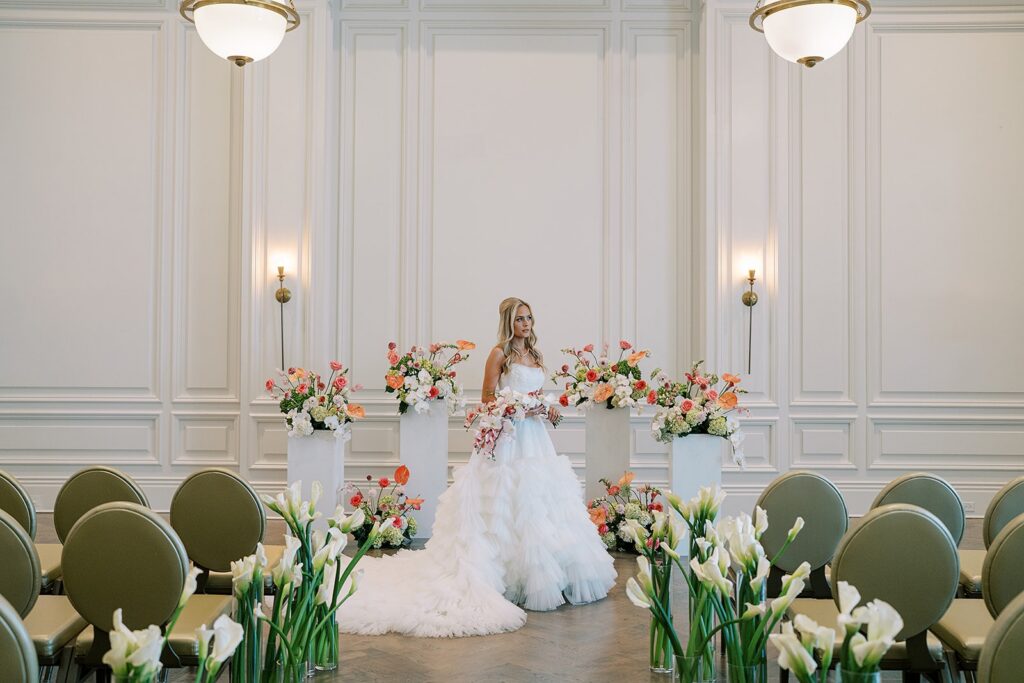
The room itself. We said it in our black tie wedding guide and it holds for every style of wedding: the venue decides more than people expect before a single design decision gets made. A space with real architectural bones, good natural light, ceilings tall enough to breathe, needs far less money spent dressing it up than a blank room does. Venue and catering together typically eat up 40 to 50 percent of a Dallas wedding budget, and that is appropriate. It is the room your guests sit in for six hours. Spend accordingly, and let the building do some of the work your décor budget would otherwise have to do alone.
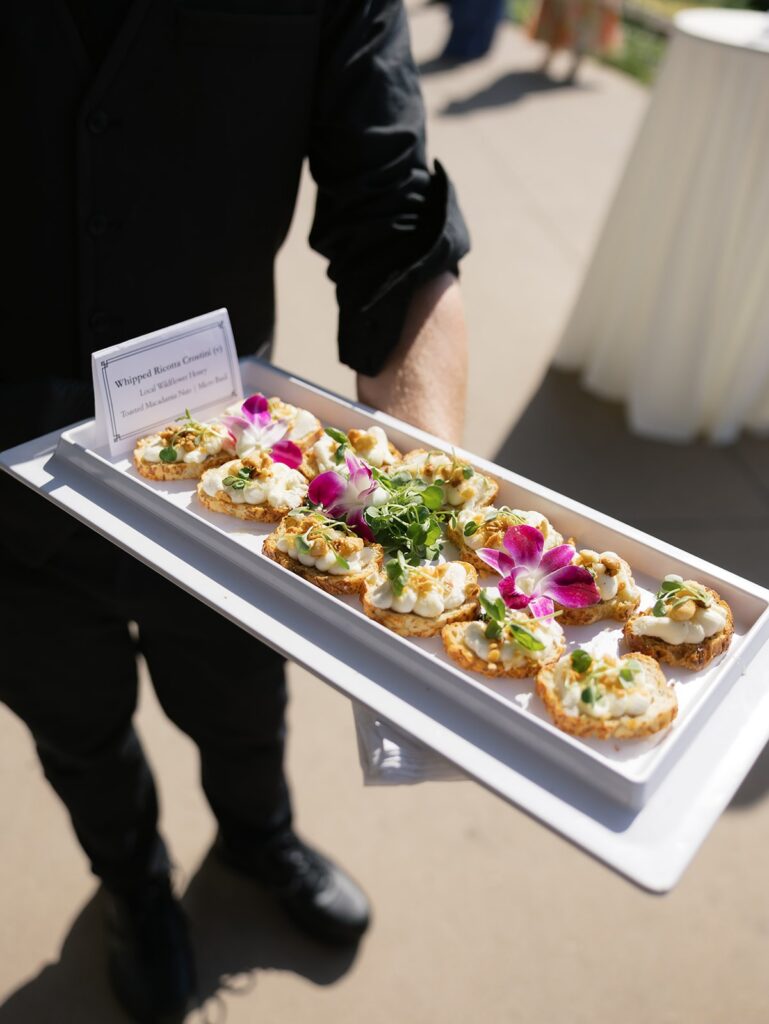
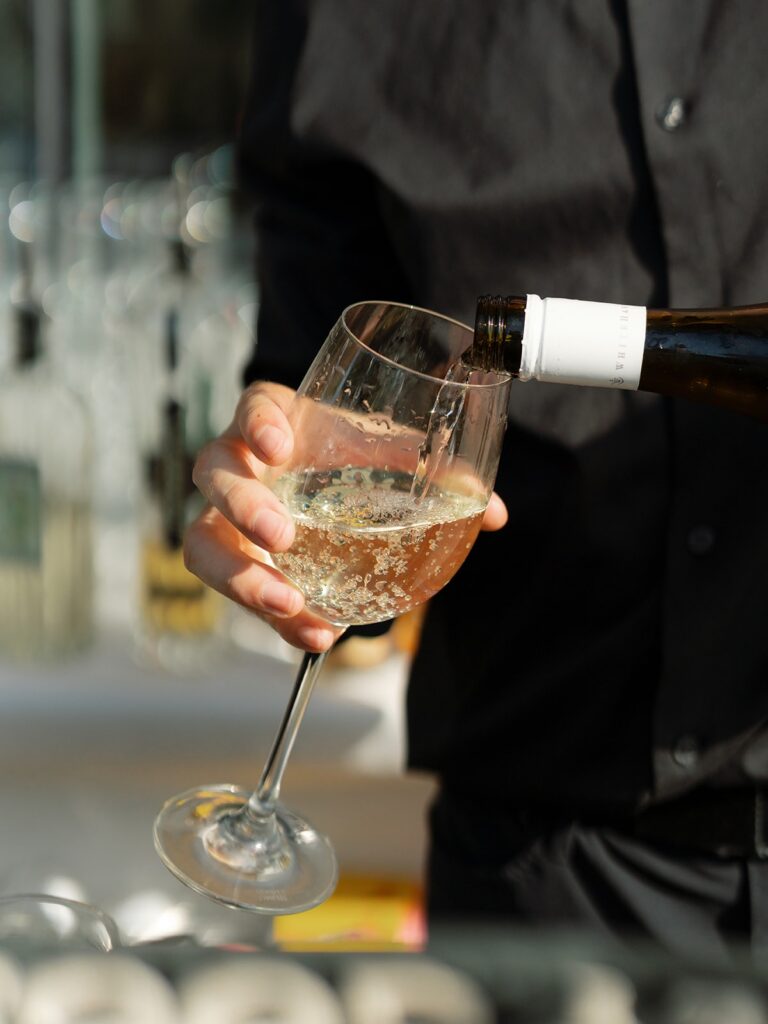
Food and drink, specifically the moments guests actually remember. Passed champagne the second the ceremony ends. A late night snack that is genuinely good instead of an afterthought. Coffee waiting near the exit for the people who stayed until the last song. None of these are line items anyone budgets for first, and they are almost always what people mention a year later, long after they have forgotten the centerpieces.
A planner, sooner rather than later. Full-service planning typically runs $8,000 to $12,000, while wedding management or coordination, the lighter-touch option for couples who have handled most of the planning themselves, lands closer to $2,000 to $3,000. Which level you need depends on how much of the process you actually want to carry yourself, but couples who bring in the right one early almost always tell us it was the best money they spent, not because a planner adds polish, though we hope we do, but because we catch the expensive mistakes before they happen. A vendor booked at the wrong price for the wrong scope, a rental order that duplicates what the venue already includes, a guest count that quietly outgrows a room. Those mistakes cost far more than a planning fee, they just do not show up on a spreadsheet until it is too late to fix them cheaply.
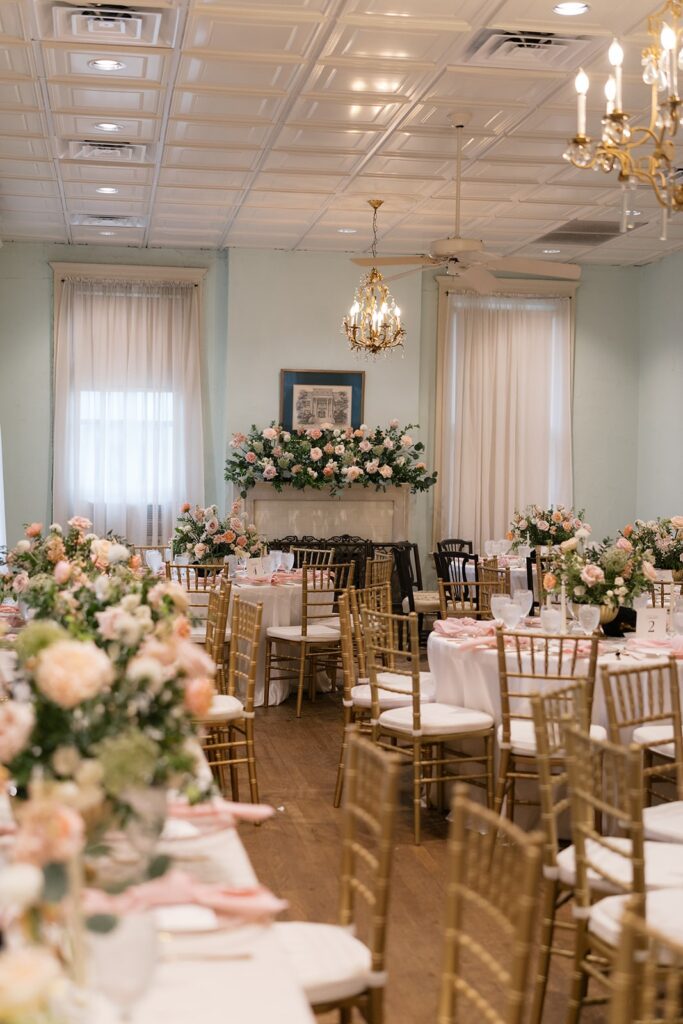
Florals, if they are important to you. Standard floral packages in Dallas run $5,000 to $10,000. If what you are picturing is more elaborate, heavy florals, ceiling installations, a real transformation of the room, plan on $10,000 to $20,000. This is a category where the difference between adequate and memorable is genuinely visible in photos, which loops back to the first point on this list. If florals are your priority, do not budget for them like an afterthought and hope a florist makes it work. Tell them the truth about what you can spend, early, and build the design around it honestly.
Where you can spend less (and nobody will notice)
Favors. We have never once had a couple tell us a guest mentioned the favors. Not one. If you want to spend money on the guest experience, the champagne and the late night snack above will get remembered. A trinket on a table will get left behind.
An elaborate stationery suite. Guests care whether they know the time, the place, and where to park. They do not notice letterpress versus a beautifully designed digital invitation, and most of your paper budget can go toward the one piece guests actually keep, a well designed welcome sign or seating chart, rather than every touchpoint in between.
A second dress, a second suit, an outfit change for the reception. This one is genuinely for you, not your guests, so if it brings you joy, spend on it without guilt. But if you are looking for something to cut without anyone clocking the difference, this is usually it.
Upgraded transportation. A clean, reliable ride to and from the venue does the job. A fleet of vintage cars photographs beautifully for about four minutes and then sits in a parking lot for the rest of the night.
DJ over live band, unless music is genuinely one of your top three. A DJ in Dallas typically runs $1,800 to $4,000, while a live band starts around $6,000 and can climb past $15,000. Both can be wonderful. But if music is not the thing you are building the day around, a great DJ reading the room well will get people on the dance floor just as effectively as a band will, for a fraction of the cost.
The real skill is knowing which list you are on
None of this is a universal ranking. It is a permission slip. The couples who end up genuinely happy with how they spent their money are the ones who picked their own two or three priorities and gave themselves full permission to underspend everywhere else, without apologizing for it. If florals are your thing, spend like it and do not feel guilty skipping the photo booth. If photography is what you will care about in ten years, protect that number first and let the favors go without a second thought.
This is also, honestly, where a planner earns their fee before anything gets built. Not by handing you a spreadsheet with generic percentages next to each category, but by sitting down with you, hearing what actually matters, and building a budget that spends real money on that and real restraint everywhere else. We have watched couples with the exact same total budget end up with wildly different, equally wonderful weddings, because the split reflected who they actually are instead of a template neither of them chose.
If you have your number and you are staring at it wondering how to actually divide it up, that is a conversation we would genuinely love to have. Bring us your total and your priorities, and we will tell you, honestly, where we think it should go.
If you’re planning a wedding in Dallas, contact our team of wedding planners so we can help bring your wedding vision to life!